

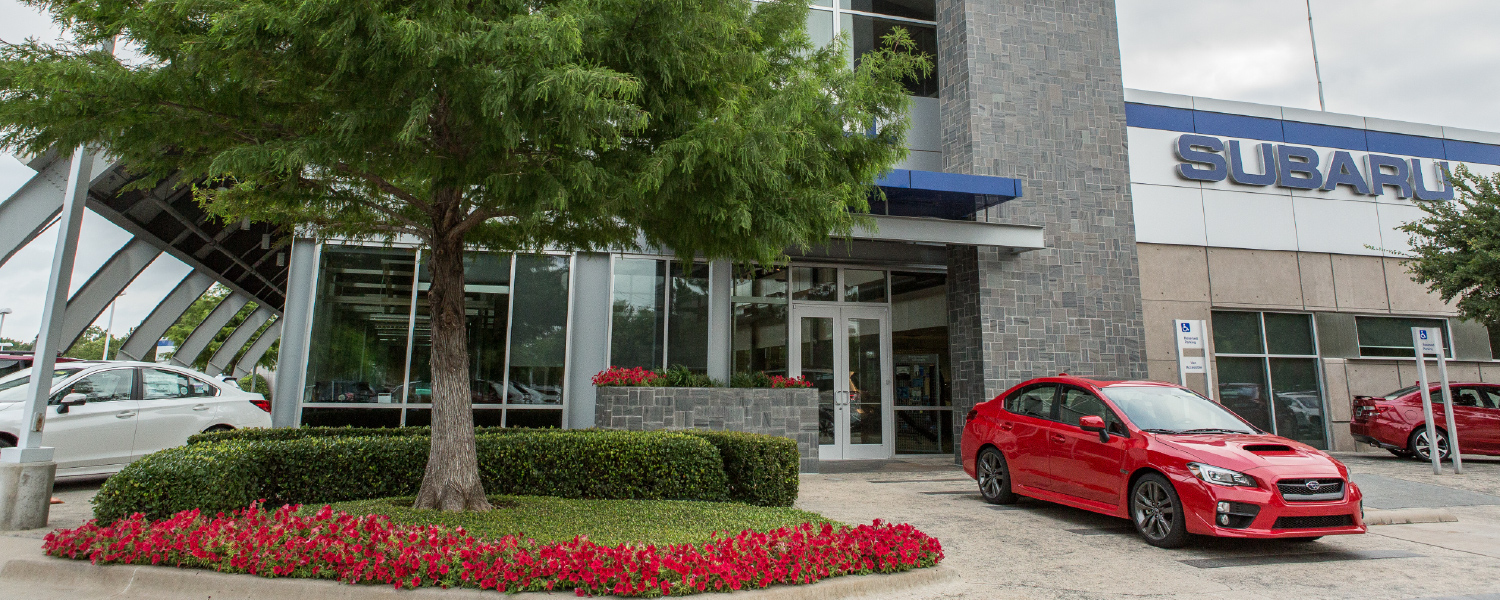
Texas winters are unpredictable. One week can feel like spring, and the next can bring freezing temperatures, high winds, or icy rain. For commercial properties, these sudden shifts can stress turf, damage plants, and disrupt irrigation systems—often leading to costly repairs and curb appeal issues in the spring.
Building winter resilience into your landscape plan is the key to protecting your property and preserving long-term value.
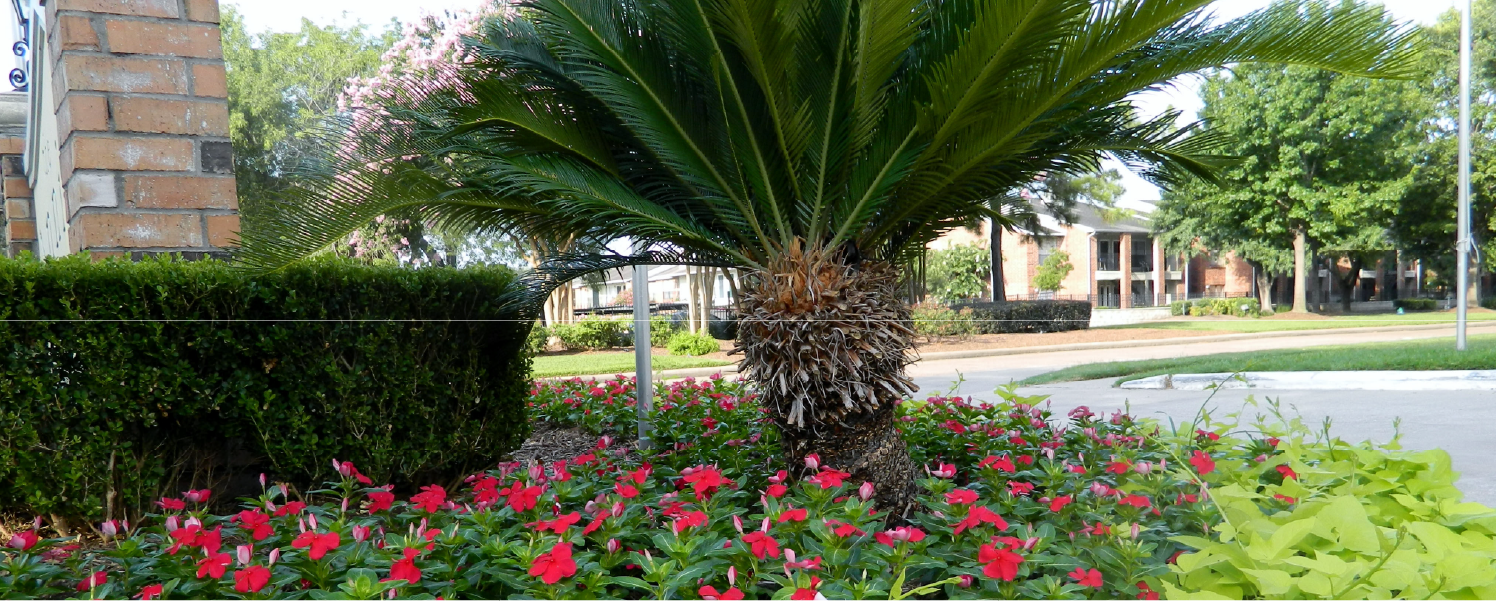
Managing Plant Health During Temperature Swings
Rapid temperature changes can shock trees, shrubs, and turf. Plants that begin to break dormancy during warm spells are especially vulnerable when a freeze follows. Strategic pruning, soil conditioning, and proper spacing help reduce stress and improve a plant’s ability to recover after cold events.
Evergreens, ornamental grasses, and newly installed plant material benefit most from proactive winter preparation. Monitoring high-exposure areas—such as entryways, medians, and wind corridors—can prevent damage before it spreads.

Frost Protection, Mulch & Smart Irrigation
Mulch plays a critical role during Texas winters. A fresh mulch layer insulates root zones, stabilizes soil temperatures, and helps retain moisture during dry, windy conditions. It also reduces erosion after storms and enhances the appearance of high-visibility areas.
Irrigation management is equally important. Systems should be inspected for leaks, broken heads, and improper scheduling. During colder months, overwatering can be just as harmful as drought, increasing the risk of root rot and fungal disease. Adjusting run times and monitoring weather patterns ensures landscapes stay healthy without wasting water.
When freezes are forecasted, proactive measures—such as isolating vulnerable zones and checking exposed components—can prevent cracked lines and system failures that disrupt operations.

Plan Now for Spring Enhancements
Winter is the ideal time to plan enhancements for spring. Evaluating underperforming areas, identifying opportunities for seasonal color, and scheduling upgrades now allows property managers to maximize budgets and avoid peak-season delays.
Whether it’s refreshing entry features, improving pedestrian corridors, or rethinking turf areas, early planning ensures improvements are installed at the right time for maximum impact.
A resilient winter landscape sets the foundation for a strong spring. By protecting plant health, managing irrigation wisely, and planning ahead, Texas commercial properties can weather cold snaps and storms with confidence—and emerge ready for growth.
