

As winter winds down in Texas, commercial properties, HOAs, and institutional landscapes must prepare for spring growth. However, the window for doing this properly is critical. Even though the Texan winter is typically mild, cold snaps and rainfall still occur, potentially causing stress to landscape elements like turf, trees, and shrubs. Even dormant-season neglect can cause issues by next season. A proactive approach will help maximize landscape resilience and function come springtime. However, preparing Texas landscapes for spring may not be as complicated as you imagine.
Preparing Texas Landscapes for Spring
1. Mulch: Protect Roots and Conserve Soil Health
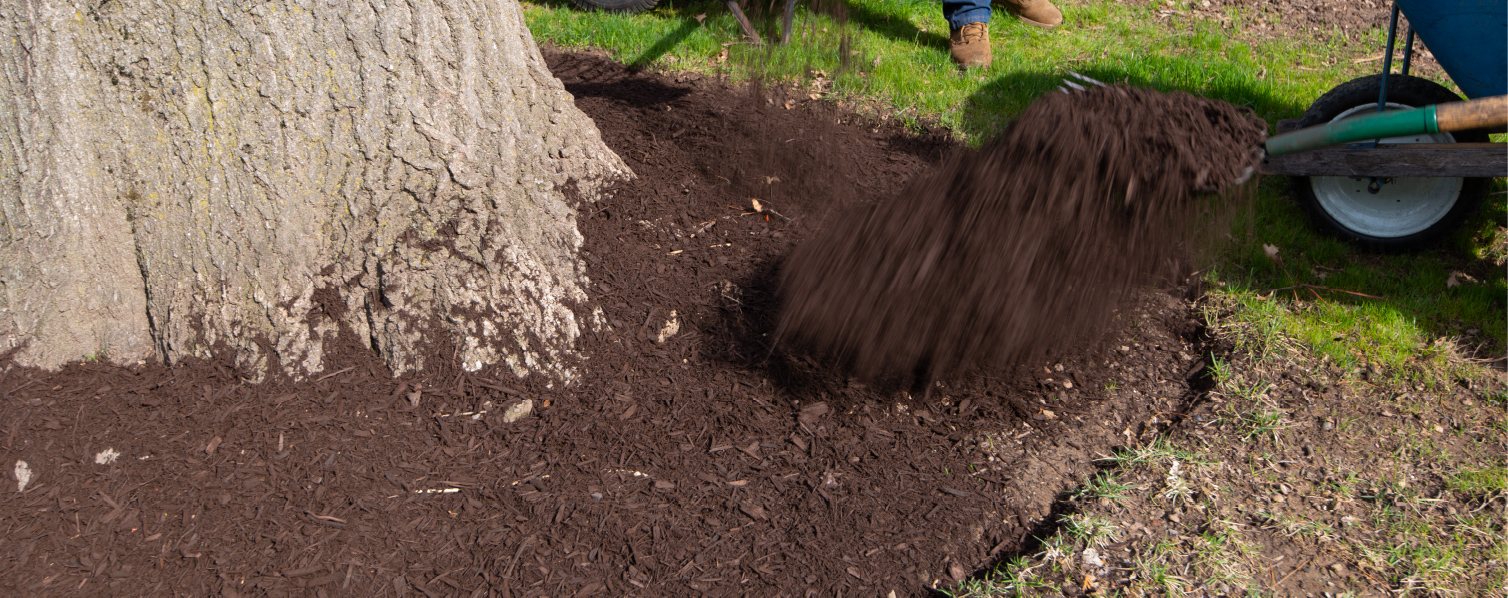
Mulching is one of the simplest yet most effective ways to safeguard your landscape over the winter and into spring. Proper mulch management provides several benefits:
- Root Protection: Mulch insulates plant roots against sudden temperature swings, reducing frost or heat stress.
- Moisture Retention: As winter rains fluctuate, mulch helps maintain consistent soil moisture, supporting turf and plant health.
- Erosion Prevention: Especially after heavy rainfall, mulch stabilizes soil, reducing runoff and protecting slopes or planting beds.
- Weed Suppression: A refreshed mulch layer helps limit weed growth before spring emerges, saving time on maintenance later.
Pro Tip: Applying a 2–3 inch layer of organic mulch around trees, shrubs, and planting beds is often standard. Importantly, keep it a few inches away from plant crowns to prevent rot or pests. The amount and type of mulch needed can depend on plant species, age, and local climate.
2. Pruning: Reduce Risk and Promote Healthy Growth
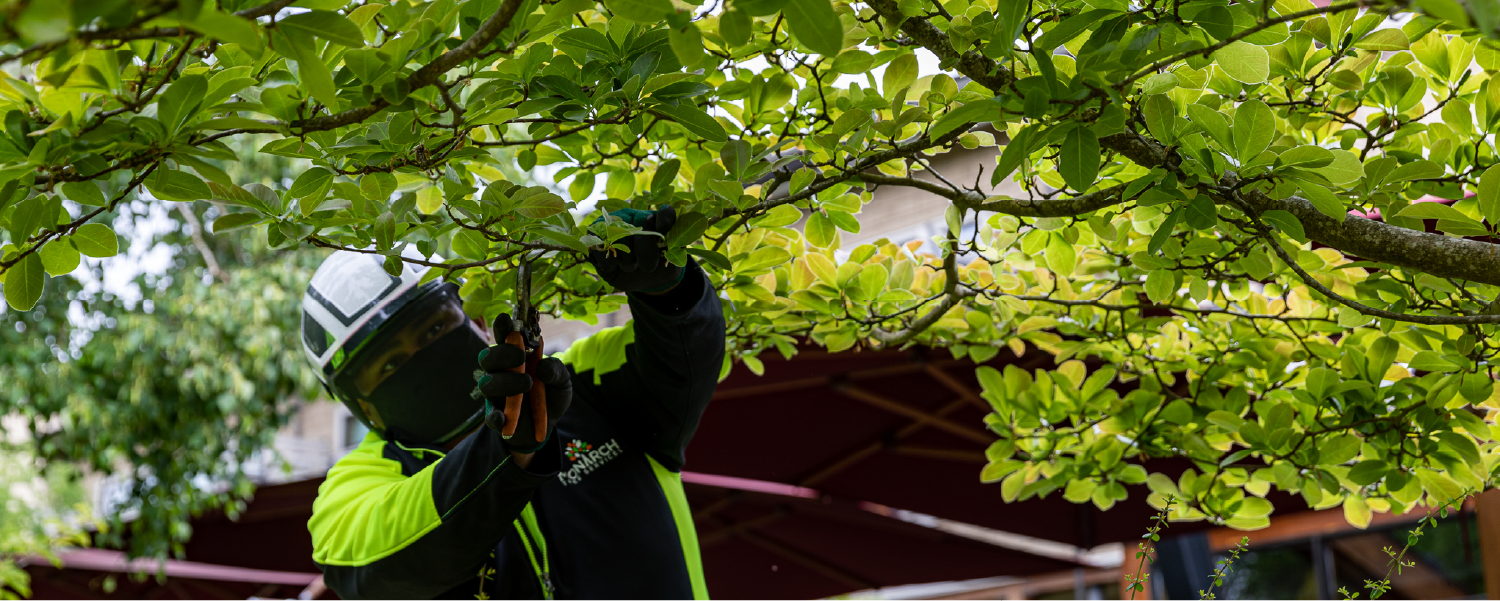
Late winter is the ideal time for targeted pruning. Removing weak, damaged, or overgrown branches before spring not only improves plant health but also reduces safety risks for people and property.
- Tree Health: Structural pruning removes dead or diseased branches. When spring arrives, trees can then better allocate resources to strong branch growth.
- Shrub Management: Trimming overgrown shrubs ensures light penetration and airflow. Together, this can reduce the risk of pests or fungal growth following winter.
- Storm Preparedness: In Texas, strong winds and occasional winter storms can cause breakage. Proactive pruning reduces the risk of costly damage.
Keep in mind that pruning may need to happen at different times during the year. Different plant species may have different growth periods. This may be especially true for plants not native to the local climate. As part of a landscape audit, your specialist will identify the plant species and their individual requirements.
Pro Tip: Focus pruning on high-traffic areas. Target entrances, parking lots, and sidewalks to enhance pedestrian safety and improve curb appeal.

3. Irrigation: Check, Adjust, and Optimize
Even in cooler months, irrigation systems play a critical role in landscape resilience. Furthermore, a lack of use does not guarantee that no issues will arise. Unused or neglected irrigation systems can develop a range of problems such as:
- Underground pipe cracks
- Stuck or leaking electronic valves (solenoids)
- Clogged or broken sprinkler heads
- Dead control panels
Turning an old system back on without checking it first can cause unique issues if needed repairs are missed. Most commonly, we encounter costly problems like hidden yard flooding or high water bills.
Preparing irrigation systems now ensures healthy turf and plants as temperatures rise in early spring.
- System Inspection: Check for leaks, broken heads, and clogged drip lines. By ordering repairs now, you can prevent wasted water and unexpected problems later.
- Schedule Adjustments: Reduce runtimes for cool-weather conditions. Importantly, you still must ensure adequate moisture for dormant or winter-active plants.
- Spring Readiness: Prepare controllers for early spring activation. Additionally, consider adjusting zones to account for turf conversion or newly planted areas.
Pro Tip: Combine irrigation checks with soil moisture monitoring to avoid overwatering and promote deep root growth, which improves drought resilience.

4. Plan Ahead for a Strong Spring
Beyond mulch, pruning, and irrigation, early planning better positions your property to be ready for peak spring performance. Working with a landscape company for an audit will help identify problem areas and provide you with a strategic ongoing approach. When preparing Texas landscapes for spring, the right landscape will:
- Evaluate turf areas for overseeding or non-functional turf replacement.
- Assess high-visibility planting beds for seasonal color updates.
- Schedule arbor care and irrigation audits to prevent last-minute issues.
- Monitor for early pest activity, including chinch bugs or fungal diseases, before they escalate.
Implementing proactive steps notably protects your landscape. But is does so much more, too. Preparing Texas landscapes for spring also reduces emergency maintenance costs, improves water efficiency, and ensures your property looks vibrant and well-maintained as spring arrives.
Why Act Now?
Late winter is a pivotal time to prepare Texas landscapes for the demands of spring. With landscapes, it is far easier to prevent issues than to find ways to fix them post-mortem. Plants and trees respond on different timelines, so even if you find a problem fix, it can take weeks to months to see the outcome. Even then, there is no guarantee that the fix will work.
Rather, planning in advance is key. By refreshing mulch, pruning strategically, and checking irrigation systems, property managers and landscape teams can improve plant health, reduce risk, and enhance visual appeal. Early action sets the stage for resilient, safe, and thriving landscapes that withstand weather variability and meet the expectations of tenants, visitors, and stakeholders.
Just as important is who is preparing your Texas landscape for spring. You want a landscape maintenance team deeply familiar with the local climate, landscape details, and plant life requirements. The Texscape team via Monarch Landscape are local experts at preparing commercial properties for Spring across Texas and its varied ecosystems.
Build Your Spring Preparedness Plan Through Monarch Landscape
Need help getting your landscape ready for spring? Contact Monarch Landscape to be matched with a Texscape account manager to schedule mulch refreshes, pruning, irrigation checks, or a full early-year landscape assessment. Early planning declaws the risks of seasonal transitions, promoting a safer, more resilient, and picture-perfect Texas landscape when spring arrives.
