

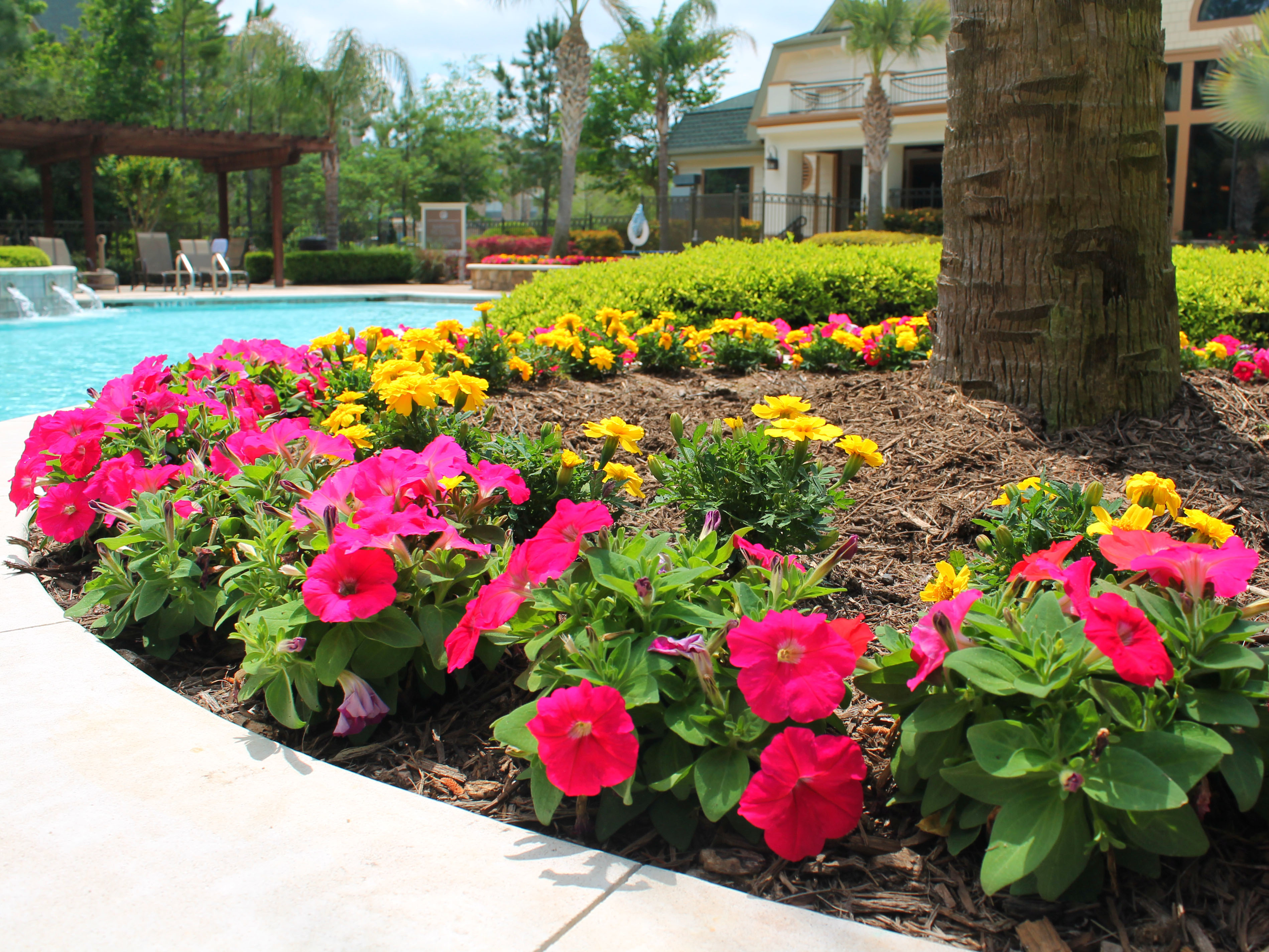
Florida winters may be mild, but they bring a unique set of challenges for commercial landscapes. Cooler nights, fluctuating moisture levels, and increased foot traffic can quietly stress turf, trees, and irrigation systems. Properties that take a proactive approach now are the ones that enter spring healthy, vibrant, and ahead of costly issues.
Winter is the ideal season to fine-tune performance, prevent problems, and plan enhancements that deliver real impact when growth accelerates.

Smart Irrigation for Cooler, Wetter Months
Shorter days and reduced evaporation mean landscapes simply don’t need the same water volume as they do in summer. Overwatering during winter is one of the most common causes of turf decline in Florida.
Key winter irrigation strategies include:
- Adjusting runtimes to match seasonal demand
- Inspecting for leaks, broken heads, and overspray
- Utilizing moisture sensors and smart controller settings
- Preventing nighttime saturation that encourages disease
Proper winter irrigation protects root systems, conserves water, and creates a healthier foundation for spring growth.
Turf & Tree Care That Prevents Stress and Disease
Cool evenings and damp mornings create ideal conditions for fungal pressure. Without intervention, issues like gray leaf spot, brown patch, and root stress can spread quickly.
Winter turf and tree care should focus on:
- Proactive disease prevention and targeted treatments
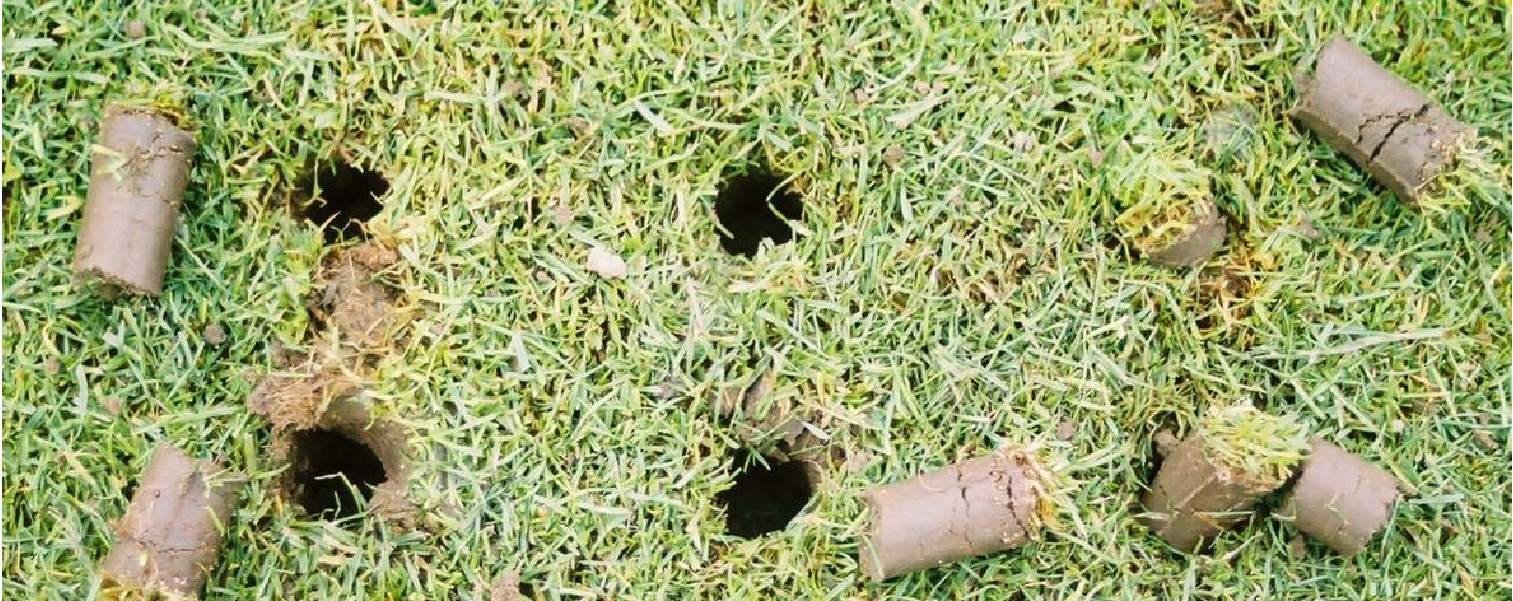
- Aeration and soil oxygenation to strengthen turf
- Monitoring shaded and low-lying areas where moisture lingers
- Structural pruning to improve airflow and reduce stress on trees
These steps keep landscapes resilient through seasonal shifts and reduce the need for aggressive corrective work later.

Seasonal Pest Prevention & Low-Area Mitigation
Winter does not eliminate pest activity in Florida—it often concentrates it. Fire ants become more aggressive, mosquitoes thrive in standing water, and turf insects remain active in warm microclimates.
Effective winter strategies include:
- Targeted fire ant suppression in common areas
- Mosquito and pest treatments in high-use zones
- Identifying and correcting drainage issues in low areas
- Regrading or modifying problem spots that stay saturated
Addressing these issues now improves safety, comfort, and landscape performance across the property.
Enhancement Planning That Maximizes Budget and Spring Impact
Winter is the planning season for properties that want a polished, high-performing landscape in spring. With growth slower and schedules more flexible, now is the time to evaluate priorities and align enhancements with budget cycles.
High-impact winter planning includes:
- Identifying entrance, monument, and focal area upgrades
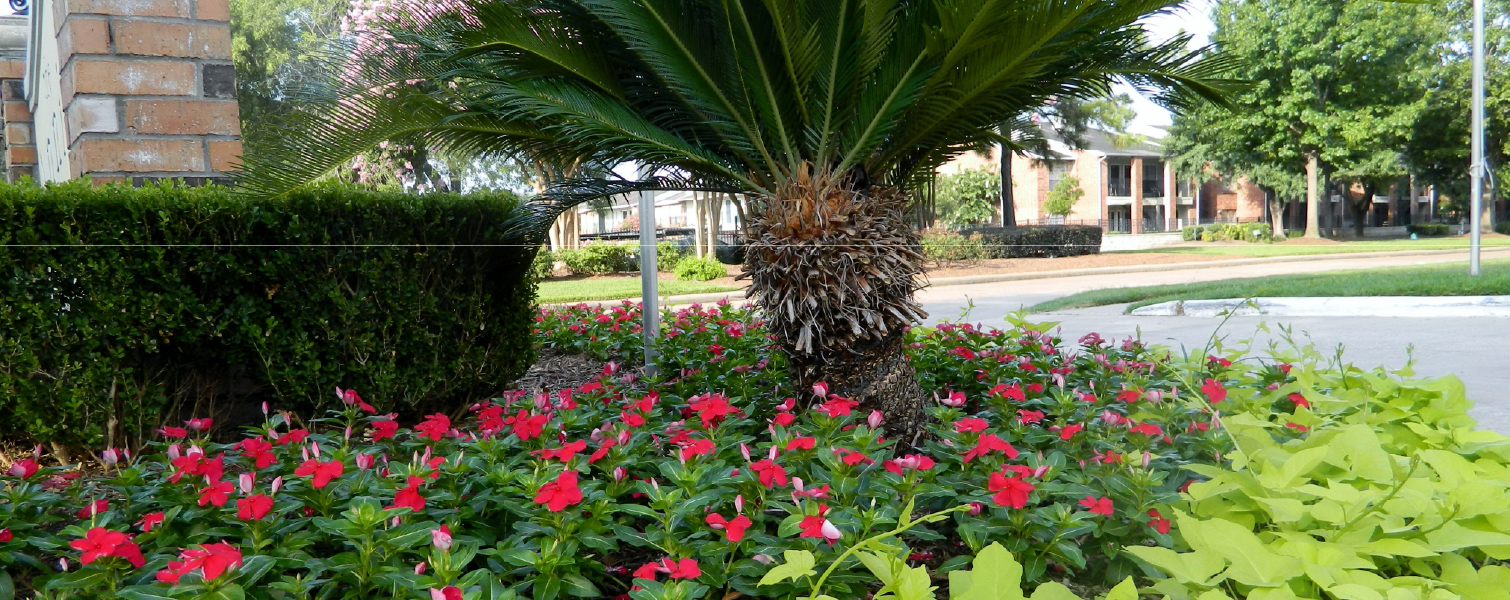
- Planning seasonal color and bed refreshes
- Scheduling irrigation upgrades or retrofits
- Assessing sites after heavy rain or storm activity
- Securing spring installation windows before demand peaks
Early planning prevents bottlenecks, reduces reactive spending, and ensures every enhancement delivers visible value.
A Smarter Path Into Spring
Florida landscapes don’t hibernate—they transition. Properties that optimize irrigation, protect turf and trees, manage pests, and plan enhancements during winter enter spring stronger, healthier, and more visually compelling.
Winter is not downtime—it’s an opportunity. The work done now defines how your property performs, looks, and functions in the months ahead.
