


As commercial real estate continues to evolve, landscaping is playing a more strategic role than ever before. In 2026, landscape decisions are no longer driven solely by appearance—they are shaped by asset protection, operational efficiency, regulatory awareness, and long-term planning.
Across Monarch Landscape Companies’ national footprint, property managers and owners are approaching landscapes as infrastructure, not decoration. Below is a regional perspective on how commercial landscaping priorities are taking shape in 2026—and what that means for proactive property planning.

Pacific Northwest: Soil Performance & Moisture Control as a Core Strategy
In the Pacific Northwest, consistent rainfall and cooler temperatures continue to influence commercial landscape planning. For 2026, the focus is on long-term soil performance and moisture management, especially in high-traffic commercial environments.
Key Commercial Priorities
- Mulch as a functional asset, supporting soil health, weed suppression, and moisture regulation
- Drainage refinement in turf and planting beds to reduce compaction and plant decline
- Clean bed lines and plant groupings that maintain professional appearance in wet conditions
Mulch is increasingly treated as a maintenance and performance tool, not a cosmetic layer—helping commercial sites remain stable, accessible, and visually consistent year-round.
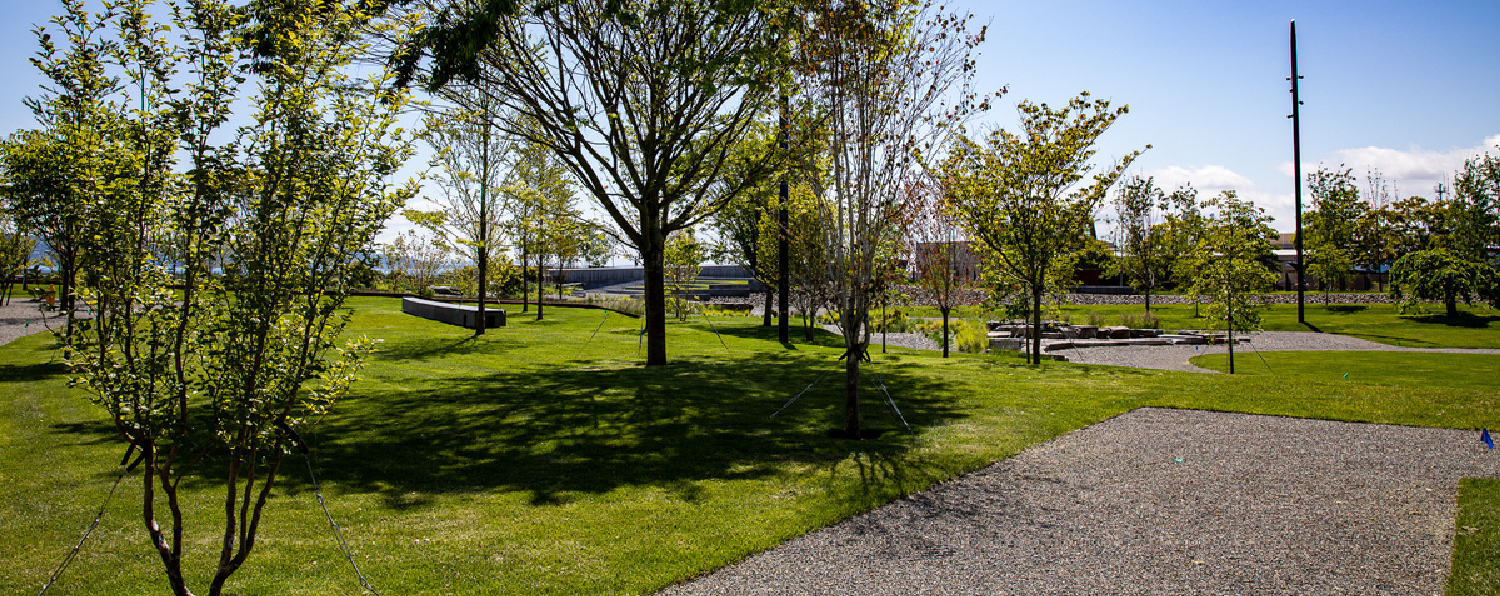
California: Water Responsibility & Regulatory Alignment
California continues to lead the nation in water efficiency standards, making regulatory awareness a defining factor in 2026 landscape planning. Commercial property managers are prioritizing alignment with AB 1572, alongside broader water-use accountability.
Primary Focus Areas
- Evaluating irrigation components and materials with AB 1572 in mind
- System reviews to ensure zones, pressure, and coverage support efficient water use
- Enhancements that balance aesthetics with responsible water management
Rather than waiting for compliance issues to arise, many commercial properties are taking a preventive, planning-first approach to landscape and irrigation decisions.

Colorado: Commercial Resilience in a Four-Season Environment
Colorado’s commercial landscapes must perform across extreme seasonal swings. In 2026, the emphasis is on durability, safety, and predictable performance for office campuses, healthcare facilities, and mixed-use developments.
Commercial Planning Priorities
- Entry and pedestrian-area enhancements designed for snow, ice, and freeze-thaw cycles
- Tree structure management to reduce risk from snow load and winter damage
- Off-season irrigation evaluations to ensure reliable spring startup
- Drainage improvements to manage snowmelt and protect hardscapes
The goal is clear: commercial landscapes that protect assets, reduce liability, and maintain curb appeal year-round.
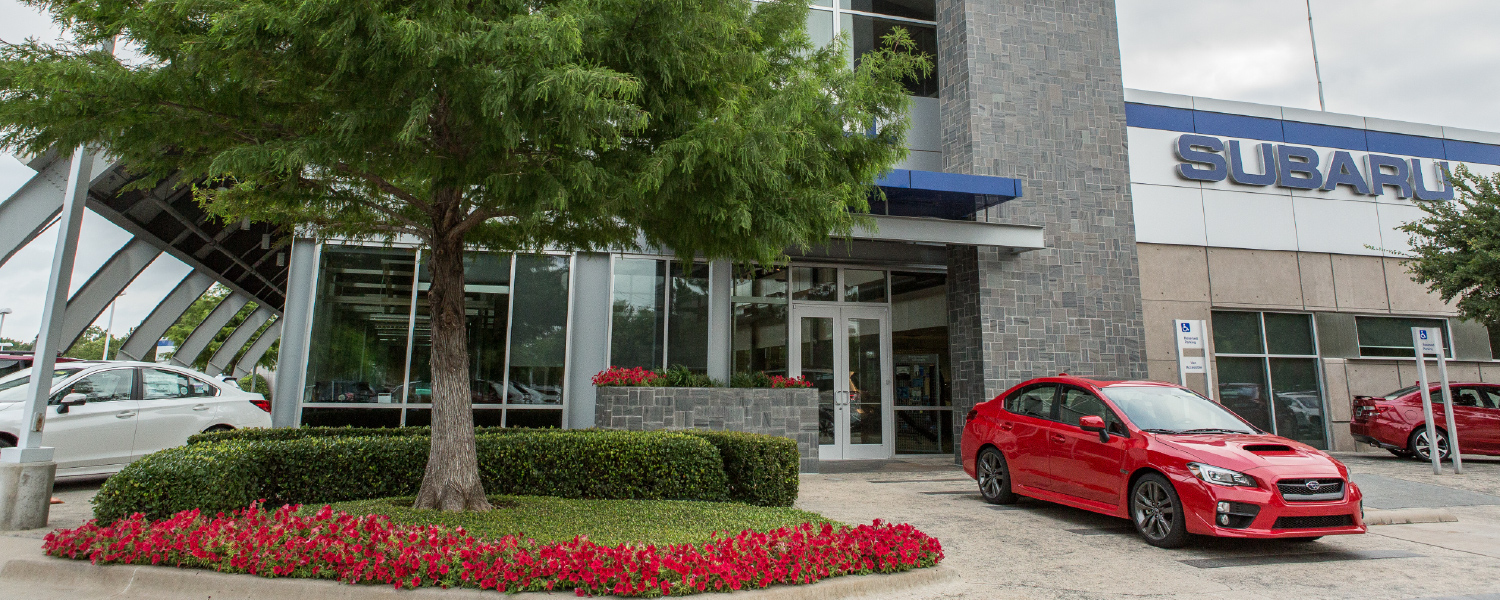
Texas: Heat Adaptation & Irrigation Reliability
Extended heat and variable rainfall continue to shape commercial landscapes across Texas. In 2026, planning centers on irrigation performance and heat resilience.
Key Focus Areas
- Irrigation system evaluations to support consistent coverage during peak demand
- Turf and plant material strategies built for high-heat tolerance
- Enhancements that improve usability and comfort in shared outdoor spaces
Texas properties are increasingly prioritizing predictability and efficiency, ensuring landscapes remain strong through long growing seasons without unnecessary resource strain.
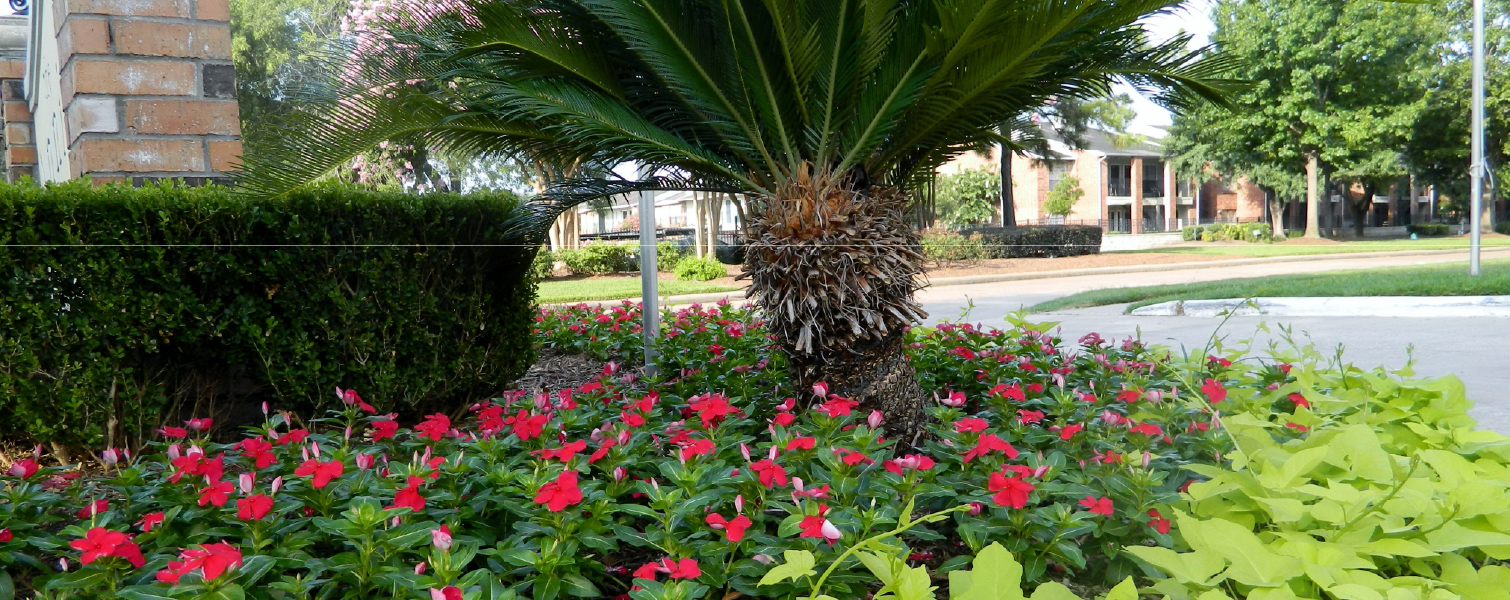
Florida: Storm Readiness & Year-Round Landscape Control
Florida’s commercial landscapes operate in a constant growth cycle, with added pressure from storms and humidity. In 2026, landscape planning emphasizes risk mitigation and proactive system management.
Primary Commercial Considerations
- Post-storm evaluations to address drainage, erosion, and plant stress
- Irrigation refinement to avoid overwatering and disease pressure
- Turf and plant health strategies that support continuous use of commercial spaces
Preparedness and rapid recovery are central themes—helping properties maintain continuity even after severe weather events.

DMV Region: Visibility, Safety & Long-Term Enhancement Planning
In the DMV region, commercial landscapes often serve as a public-facing extension of the property brand. For 2026, planning is focused on presentation, safety, and capital alignment.
Key Priorities
- Entrance and monument enhancements that reinforce professional identity
- Tree and canopy management to support sightlines and pedestrian safety
- Irrigation reviews to maintain consistency across varied property types
Landscaping in this region is closely tied to tenant experience and asset perception, making thoughtful planning essential.
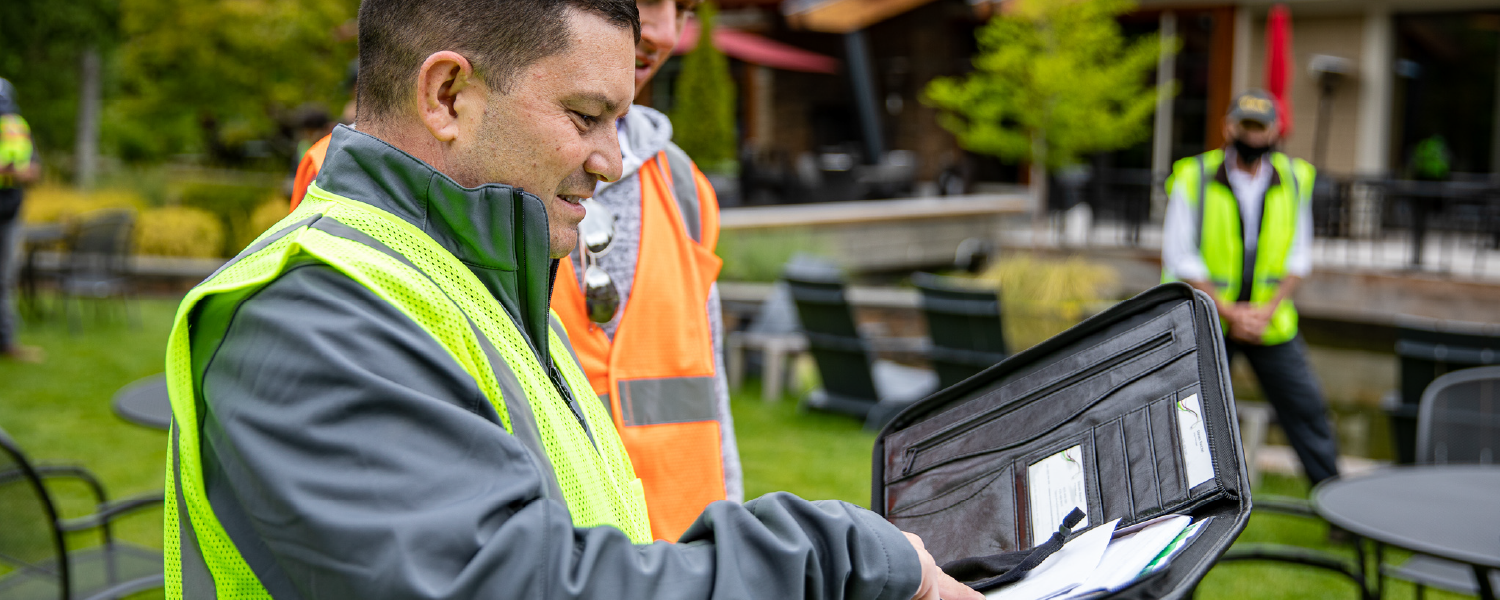
A National Shift Toward Strategic Landscape Planning
Across all regions, 2026 reflects a broader shift:
Commercial landscaping is being treated as a long-term investment, not a reactive expense.
Enhancements, irrigation updates, and system evaluations are increasingly aligned with:
- Capital planning cycles
- Risk reduction strategies
- Operational efficiency goals
Monarch Landscape Companies continues to support commercial property managers nationwide with regionally informed, performance-driven landscape solutions designed to protect value, support operations, and elevate every property we serve. Contact us today to optimize your landscape for 2026.
