


Colorado's climate presents unique challenges for maintaining healthy landscape trees. Along the Front Range, extended dry periods, fluctuating temperatures, intense sunshine, and sudden weather changes can affect trees throughout the year. For commercial property managers, understanding these local conditions is an important part of protecting landscape investments.
Colorado's dry winters and periods of limited precipitation can put commercial landscape trees under stress, even when temperatures are cool. Winter watering, deep root watering, and seasonal tree inspections can help property managers address moisture needs and identify potential problems before they become more extensive. The right approach depends on tree species, soil conditions, site exposure, and local weather.
Environmental Designs, part of the Monarch Landscape Companies family, helps commercial properties throughout Colorado maintain attractive, healthy landscapes through proactive maintenance and specialized tree care.
Why Is Colorado's Climate Hard on Landscape Trees?
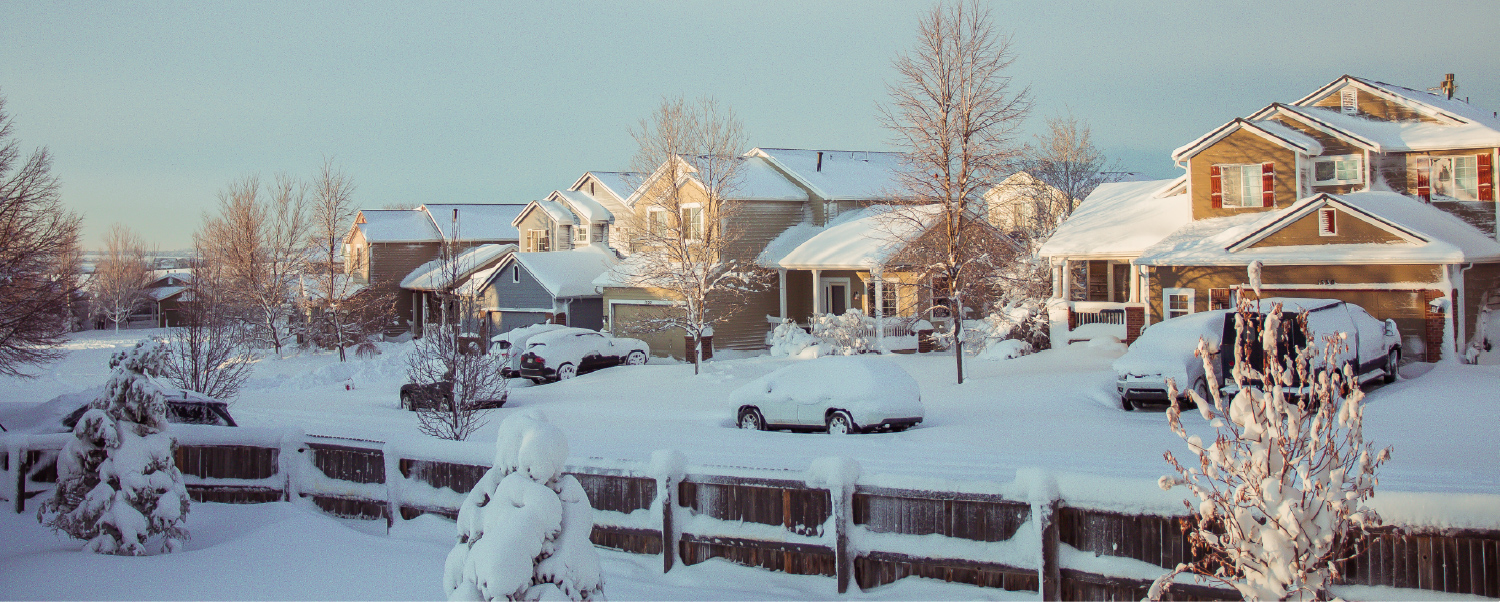
Trees in Colorado must adapt to conditions that can change significantly from one season to the next. Warm, sunny days can be followed by freezing temperatures, while periods of limited precipitation can leave soil dry even when temperatures are cool.
These conditions can be particularly challenging for newly planted trees, trees growing in restricted planting areas, and trees surrounded by pavement or heavily compacted soil.
Commercial properties may also experience additional stress from construction activity, limited root space, and irrigation systems that do not adequately account for the needs of individual trees.
Understanding how these factors affect trees can help property managers identify potential concerns and plan maintenance around seasonal conditions.
Why Is Winter Watering Important for Colorado Trees?
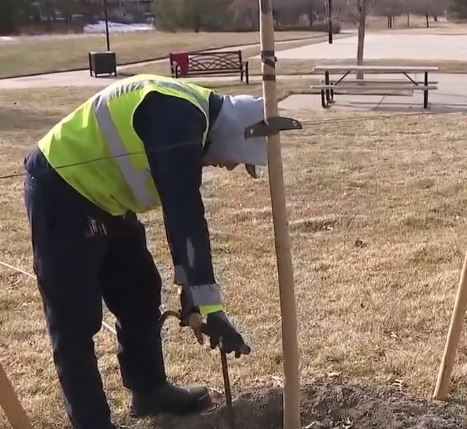
Colorado's winters can be deceptively dry. Although trees enter dormancy during colder months, their roots can still benefit from available soil moisture when conditions allow. Extended periods without precipitation can leave soil dry, particularly in exposed areas with southern or western sun exposure. Newly planted trees and certain evergreen species may be especially vulnerable to winter moisture stress.
Winter watering is an important consideration for commercial landscapes along the Front Range. During extended dry periods, supplemental watering can help maintain soil moisture and reduce the risk of drought stress.
Winter watering is generally most appropriate on warmer days when temperatures are above 40 degrees Fahrenheit and the soil is not frozen. Apply water slowly so it has time to soak into the soil around the tree's root zone rather than running off frozen or compacted ground. Avoid watering when freezing conditions are expected before the moisture can adequately soak in.
The amount and frequency of watering depend on soil conditions, tree species, exposure, and recent precipitation. Property managers should account for winter moisture needs in their seasonal maintenance plans instead of assuming tree care ends when the growing season does.
What Is Deep Root Watering, and When Is It Beneficial?
Deep root watering delivers water into the soil around a tree's root zone rather than relying solely on surface moisture. When appropriate for the site and tree, this approach can help address soil moisture needs and support healthy root systems.
For commercial properties, deep root watering may be worth considering for established trees, newly planted trees, and trees growing in areas where pavement, compacted soil, or limited planting space can affect water availability.
When properly applied, deep root watering can help:
- Improve moisture availability: Deliver water deeper into the soil profile where tree roots may be able to access it.
- Support root development: Provide moisture that helps sustain healthy root growth.
- Address site-specific conditions: Target watering to trees growing in challenging urban environments or restricted planting areas.
- Complement seasonal maintenance: Support a broader tree care plan during appropriate periods of the year.
Deep root watering is not a substitute for proper irrigation management or regular tree inspections. It also does not automatically mean that deeper watering is needed for every tree. Soil type, root distribution, existing moisture levels, and the tree's condition should guide the approach.
For a closer look at the role of deep root watering and fertilization in tree care, read our related article on deep root watering and fertilization.

How Can You Recognize Environmental Stress in Landscape Trees?
Trees do not always show signs of stress immediately. Changes may become noticeable weeks or months after the conditions that caused them.
During routine property inspections, look for:
- Thinning canopies or premature leaf drop during the growing season.
- Browning needles or foliage that appears discolored.
- Branch dieback or reduced seasonal growth.
- Cracked soil or unusually dry planting areas.
- Physical damage following construction, snowstorms, or other severe weather.
These symptoms can have several causes, including water stress, pests, disease, and root damage. For example, browning foliage may be related to moisture issues, but it can also indicate other environmental or biological problems.
A qualified tree care professional can help determine what is affecting the tree and recommend appropriate next steps rather than relying on visible symptoms alone.

How Should Commercial Property Managers Plan Seasonal Tree Care?
A proactive maintenance plan should account for more than turf, planting beds, and irrigation schedules. Trees often require different care depending on their species, age, location, and growing conditions.
For commercial properties, a seasonal landscape assessment can help identify trees that may need additional attention before problems become more extensive.
Property managers should consider:
- Inspecting trees seasonally: Look for changes in canopy condition, visible damage, and signs of moisture stress.
- Reviewing irrigation coverage: Confirm that watering practices account for tree needs, not just turf and planting beds.
- Evaluating site conditions: Identify compacted soil, restricted root zones, and exposed areas that may be vulnerable to dry conditions.
- Planning for winter watering: Monitor precipitation and soil moisture during extended dry periods, watering when weather and soil conditions permit.
- Assessing deep root watering needs: Determine whether targeted watering is appropriate for trees experiencing site-specific moisture challenges.
Planning ahead gives property managers time to budget for recommended tree care and coordinate services with other landscape improvements. It also provides an opportunity to address potential issues before they develop into more extensive maintenance needs.

Prepare Your Colorado Property for Every Season
Maintaining healthy trees in Colorado requires an understanding of local weather patterns and the conditions affecting each property. Regular inspections, appropriate watering practices, and timely maintenance can help property managers identify concerns, prioritize resources, and protect the long-term value of their landscapes.
Environmental Designs, part of the Monarch Landscape Companies family, provides commercial landscape maintenance and tree care services throughout Colorado. Our team can help evaluate your property's landscape needs and recommend care strategies suited to local conditions.
Contact Environmental Designs to discuss your commercial landscape and develop a tree care plan for the seasons ahead.
