


As California moves further into implementing AB 1572, commercial property managers across the state are entering a crucial phase of planning and landscape adaptation. Early conversations focused on what the law is, but managers now want clarity on how AB 1572 will reshape operations, budgets, tenant expectations, and long-term site strategy.
This guide offers a forward-looking, California-wide perspective to help you prepare for the next stage of compliance.
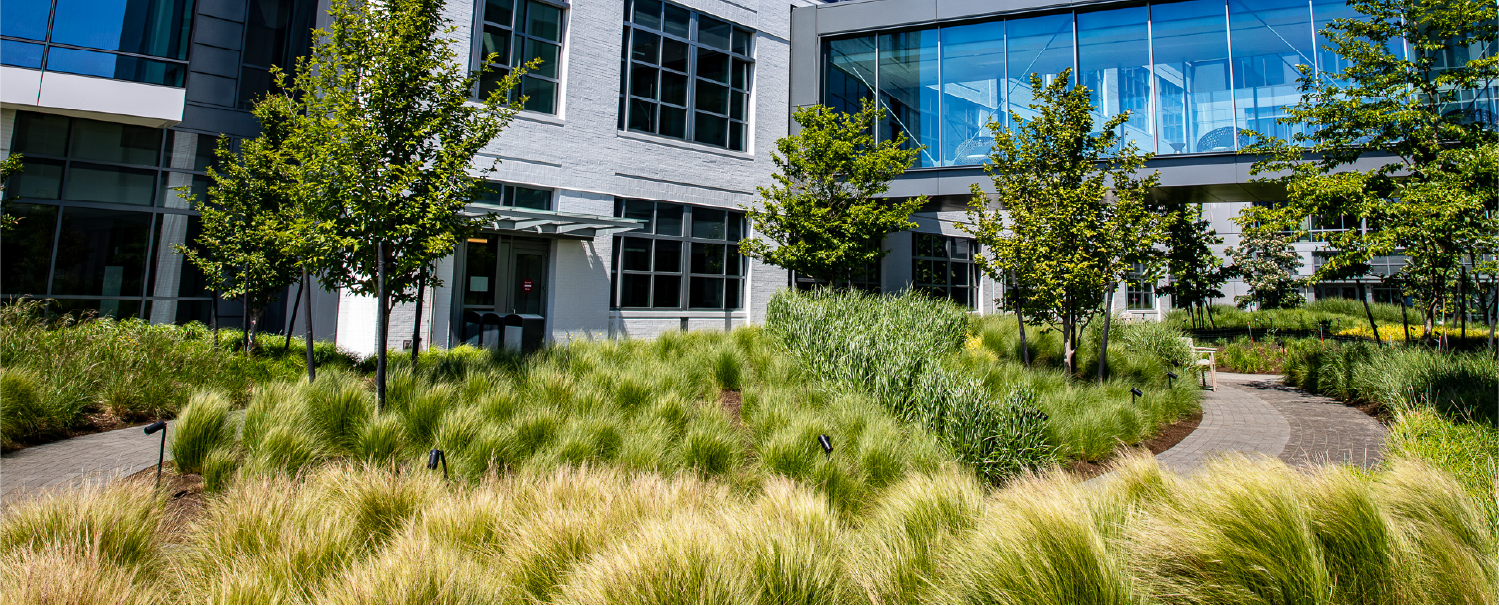
Why AB 1572 Matters More in 2025
AB 1572 was created to reduce California’s reliance on water-heavy landscapes, especially non-functional turf. As drought cycles continue and water districts adopt stricter conservation goals, properties with high-water-use grass will feel increased pressure to comply.
Drivers behind increased enforcement include:
- Ongoing Drought Realities
- Declining Snowpack in the Sierra Nevada
- Water Resilience Initiatives From State Agencies
- Local District Guidelines Tightening Across Regions
For commercial properties, this means AB 1572 is now a strategic landscape planning requirement, not a one-time rule.

Why Different Regions of California May Experience AB 1572 Differently
Although AB 1572 is statewide, local water districts may apply varying timelines, incentives, or enforcement strategies. Each region has unique considerations:
Southern California
- Hotter, longer summers
- Stronger restrictions from water agencies
- High-visibility commercial campuses with larger turf footprints
Northern California
- Mixed climates (coastal, valley, and inland)
- Different rebate programs from agencies like EBMUD, SFPUC, and SCWA
- Increasing cost pressure as water rates rise
Central Coast & Bay Area
- More public emphasis on sustainability and appearance
- Greater tenant expectations for environmentally friendly landscapes
Central Valley
- Highest evapotranspiration rates
- Turf is harder and more expensive to maintain
- Wide commercial campuses with large turf zones to evaluate
Regardless of region, all commercial properties must prepare for reduced reliance on non-functional turf.
What Property Managers Across California Should Do Now
1. Get a Landscape Impact Assessment
Go beyond simply identifying non-functional turf. A full assessment includes:
- Irrigation Efficiency Issues
- Runoff or Overspray Risks
- Areas With Highest Water Usage
- Opportunities for Phased Conversion
- Plant Health and Replacement Needs
This helps determine which zones should convert first for maximum impact.
2. Build a Multi-Year Conversion Plan
Most California sites will require 2–3 years of phased work. Your plan should include:
- Turf Removal and Disposal
- New Design Layouts
- Drought-Tolerant Plant Palette Selection
- Irrigation Redesign and Drip Installation
- Updated Smart Controllers
- Mulching and Groundcover Strategies
A phased approach reduces disruption and spreads out budget impact.
3. Communicate Changes to Tenants and Stakeholders
Large turf removals can raise questions. To protect perception:
- Use Temporary Mulch or Plantings
- Add Signage Highlighting Sustainability Improvements
- Share Before-and-After Visuals Once Phases Are Completed
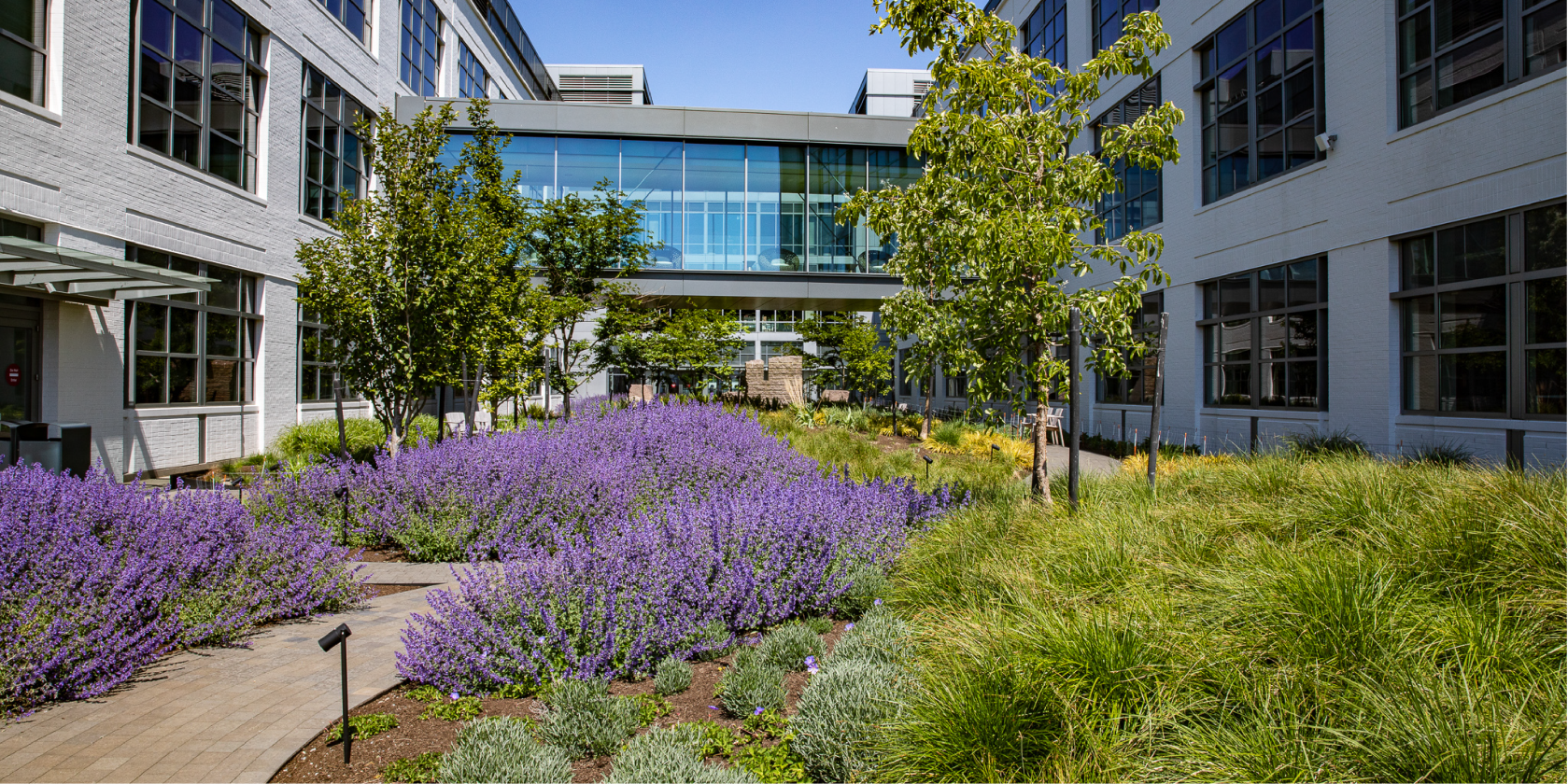
The Costs of Delaying Compliance
Financial Risks
- Higher water bills
- Local district penalties or fines
- Rising future conversion costs as demand increases
Operational Risks
- Turf decline due to reduced watering
- Increased weed pressure
- Frequent irrigation repairs on outdated systems
Brand & Market Risks
- Properties may appear outdated or environmentally irresponsible
- Corporate tenants increasingly require sustainability reporting
- Competing buildings may market themselves as “AB 1572–ready”

What Will Replace Non-Functional Turf?
Across the state, property managers have many compliant alternatives, including:
- Drought-Tolerant Native Shrubs
- Low-Water Ornamental Grasses
- California-Hardy Groundcovers
- Mulch or Stone-Based Designs
- Pollinator-Friendly Beds
- Decomposed Granite Paths
- Blended Xeriscapes That Still Look High-End
A good plan balances aesthetics, maintenance needs, and long-term water reduction.

Smart Irrigation Is Now a Critical Component
Upgrading irrigation systems will be essential for AB 1572 compliance. Consider:
- Smart, Weather-Based Controllers
- Remote Monitoring Systems
- Pressure-Regulated Drip Lines
- High-Efficiency Nozzles (Where Turf Remains Allowed)
- Flow Sensors to Prevent Leaks
These technologies help reduce breakdowns, conserve water, and support more accurate reporting.

California AB 1572 Checklist for 2025
- Identify All Non-Functional Turf Zones
- Request a Full AB 1572 Assessment
- Build a 3-Year Conversion Budget
- Explore Rebates From Local Water Districts
- Prepare Designs for Drought-Tolerant Replacements
- Schedule Irrigation Upgrades
- Communicate Updates to Tenants and Ownership
- Develop a Long-Term Maintenance Plan for Converted Areas
Final Takeaway: AB 1572 Is the Future of Commercial Landscaping in California
AB 1572 represents more than compliance — it’s a shift toward long-term water efficiency, sustainable design, and future-proof commercial landscapes. By planning now, property managers can reduce risk, lower costs, and enhance the overall appeal of their properties.
A proactive approach today ensures your landscape remains compliant, attractive, efficient, and aligned with California’s long-term water goals.
